Miscellaneous

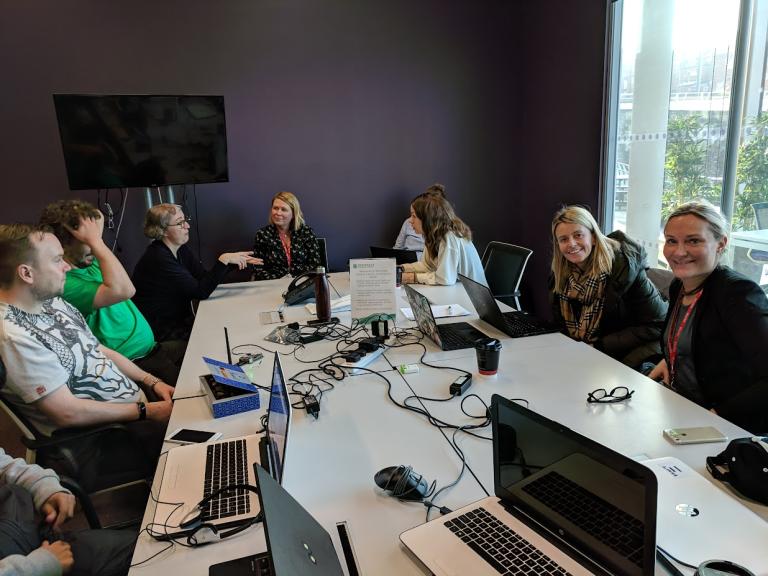
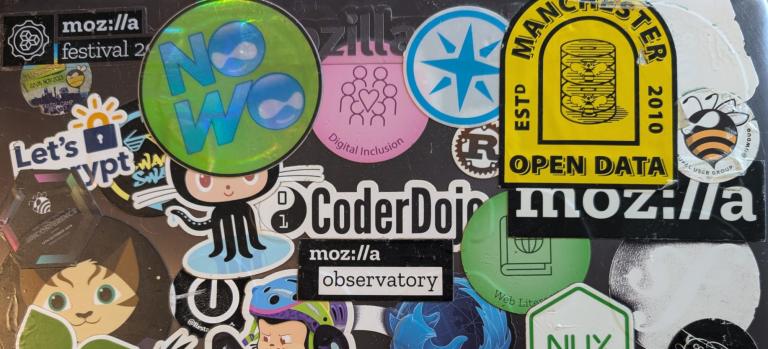
There are conferences, and then there is OggCamp. For two days in Manchester I sat in rooms full of people considerably cleverer than me, had conversations that will fuel months of work, joined the Open Rights Group, gave away a few Heltecs to strangers, and came home with an alarming number of new Raspberry Pi projects. This is the story of my third pilgrimage to this awesome gathering, but more importantly, my first real gathering of high order geeks since the infamous year of 2020.

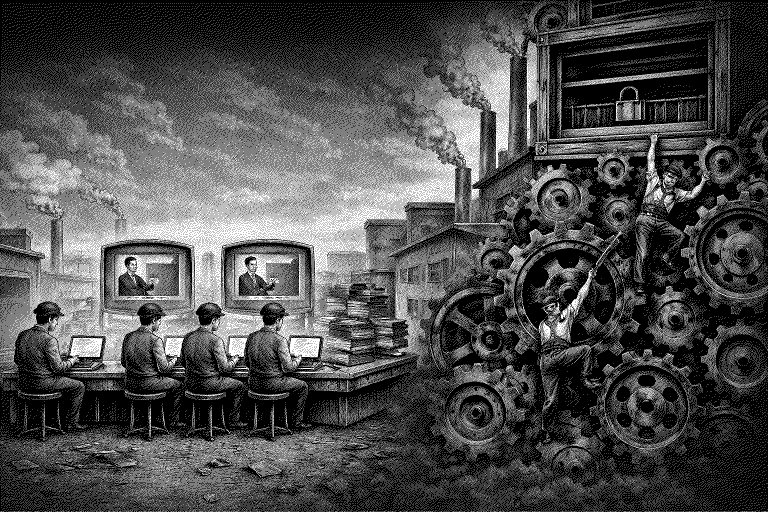
Socrates never wrote a word, yet we only know his ideas because someone did. Every generation panics about the new cognitive tool that will make us all stupider. Every generation is wrong. So why is AI any different — and what happens when it gives you the one thing most of us never had access to: a genuine sparring partner for your ideas? Most of us who think deeply have learned to do it quietly, alone. This post is about what changes when that finally becomes available to everyone. And yes, the irony of writing it is fully intentional.

Finland came to Rochdale and said "we'll have that."

Then our funding quietly disappeared.

I designed a digital inclusion programme with no curriculum, no classroom, and no lesson plans. Just a kettle, some toast, and boxes full of Raspberry Pis. People who wouldn't answer the phone ended up running maker workshops in Manchester.

Here's what happened — and why it's time to bring it back.

Your data isn't really yours — not while it lives on someone else's servers, governed by terms nobody reads and monetised in ways nobody admits. But the open source movement has spent decades building the alternatives: from encrypted email and self-hosted file storage, to open food data, open hardware, and community mesh networks built by and for the people who use them. This is what digital sovereignty looks like — and once you start pulling that thread, there's no going back.